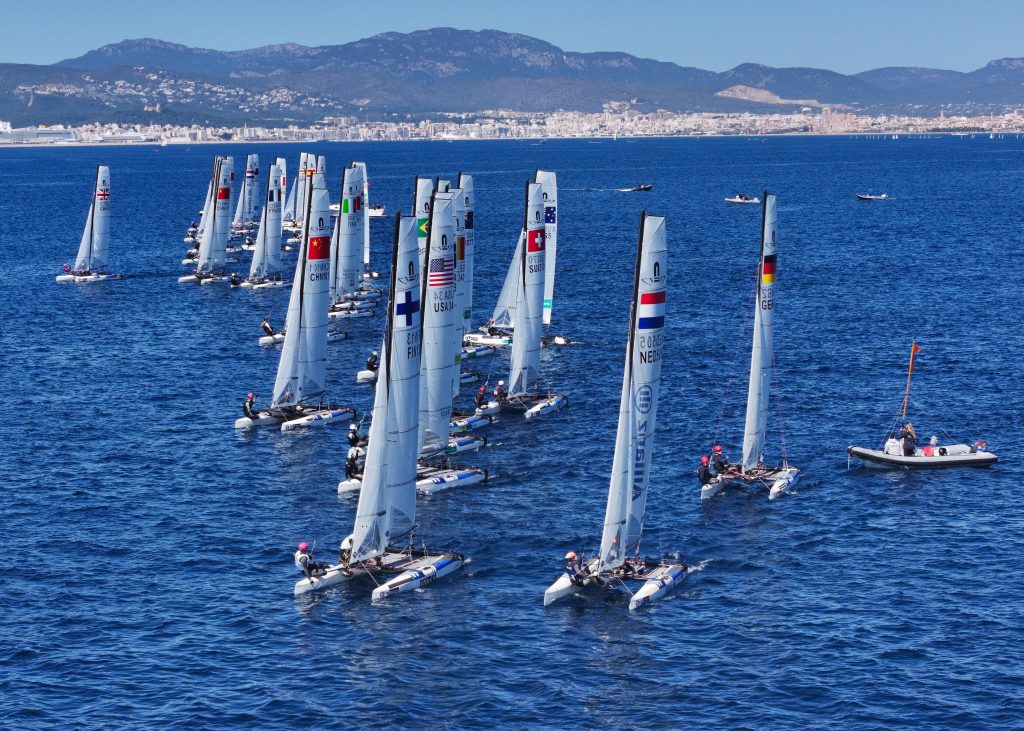
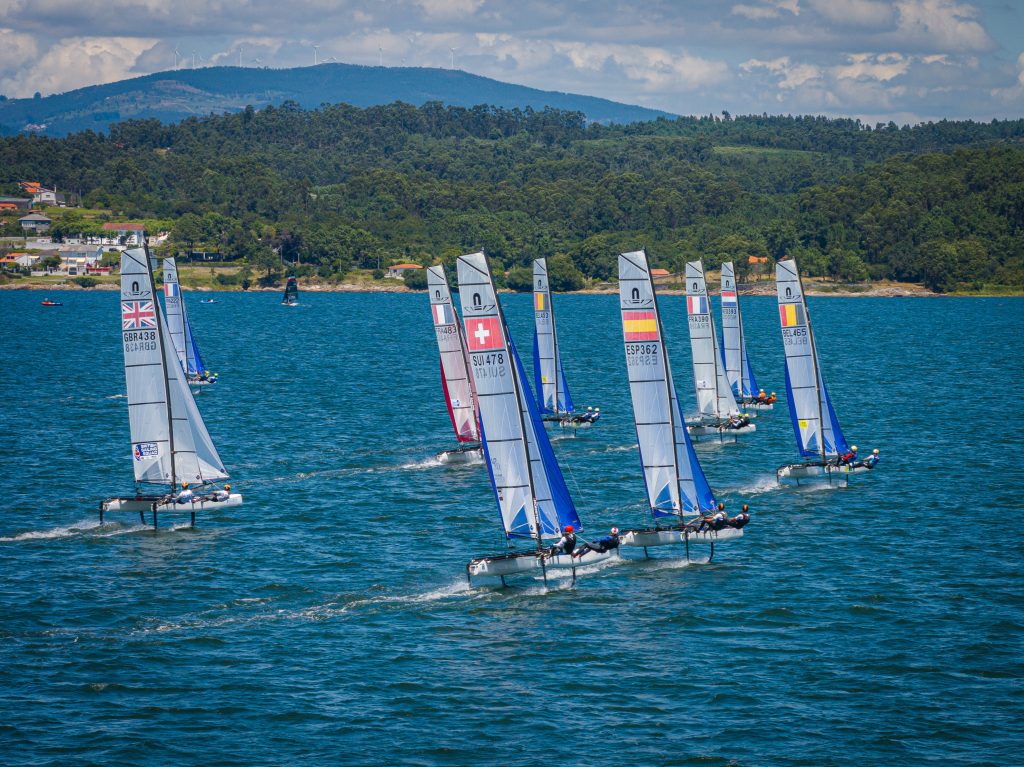
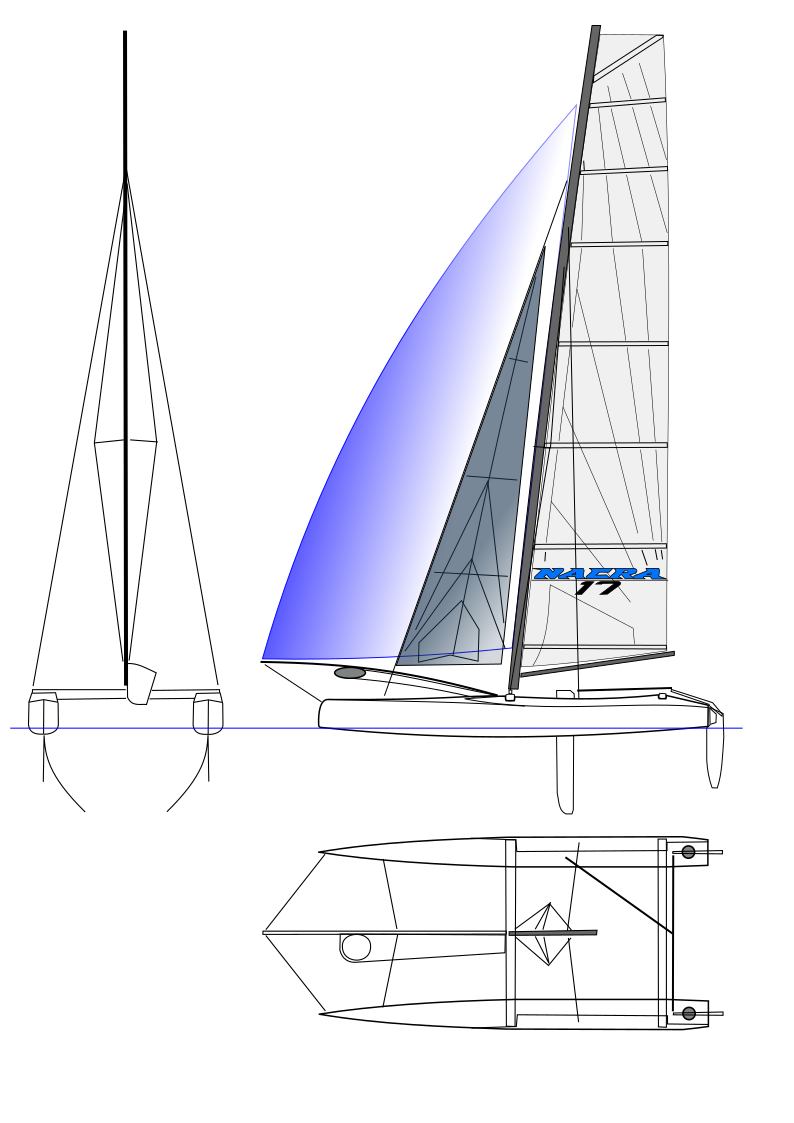
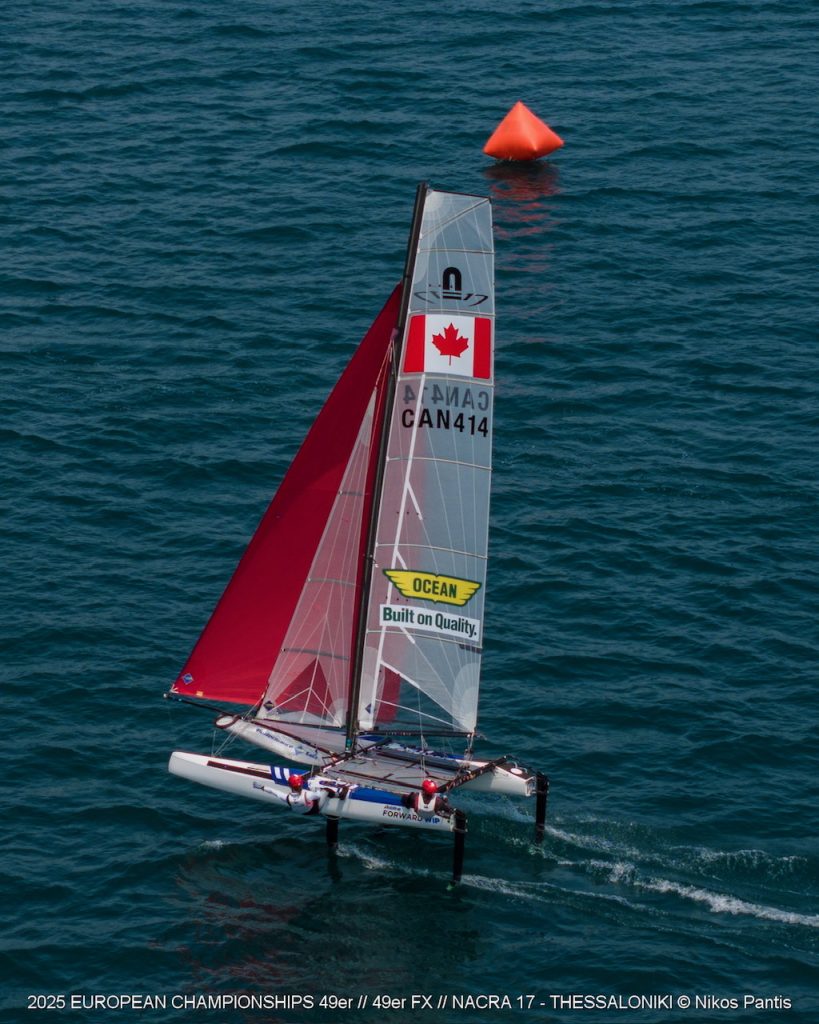
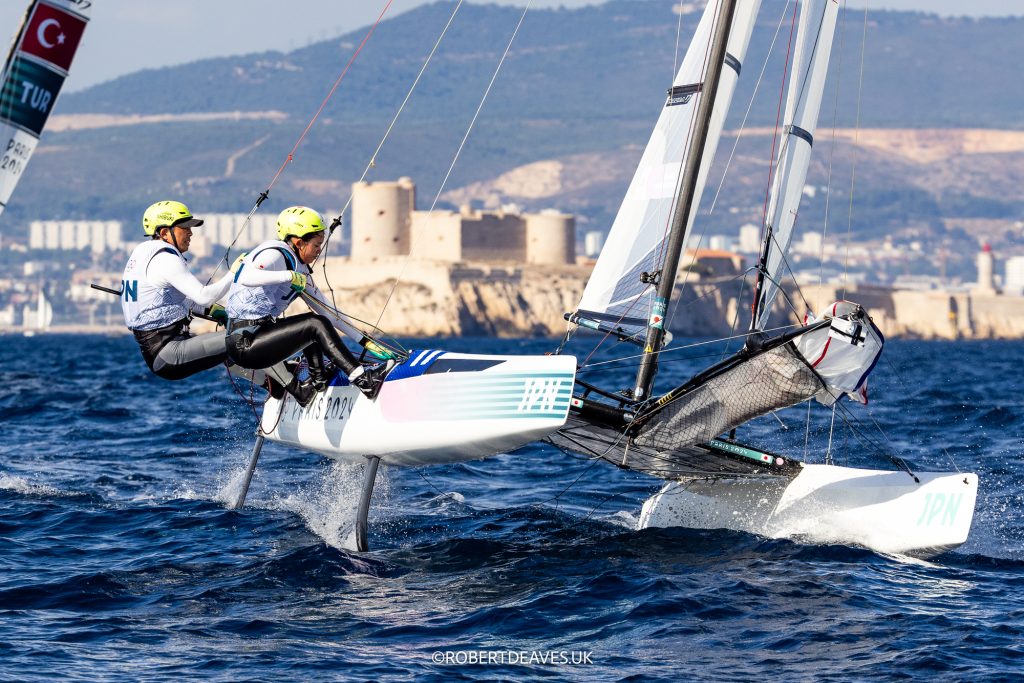
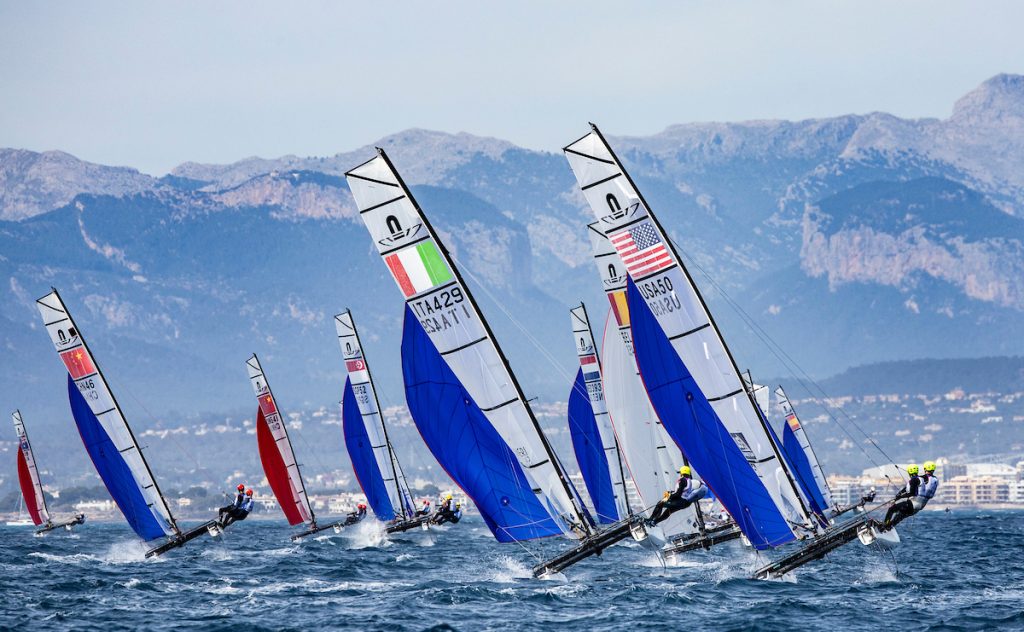
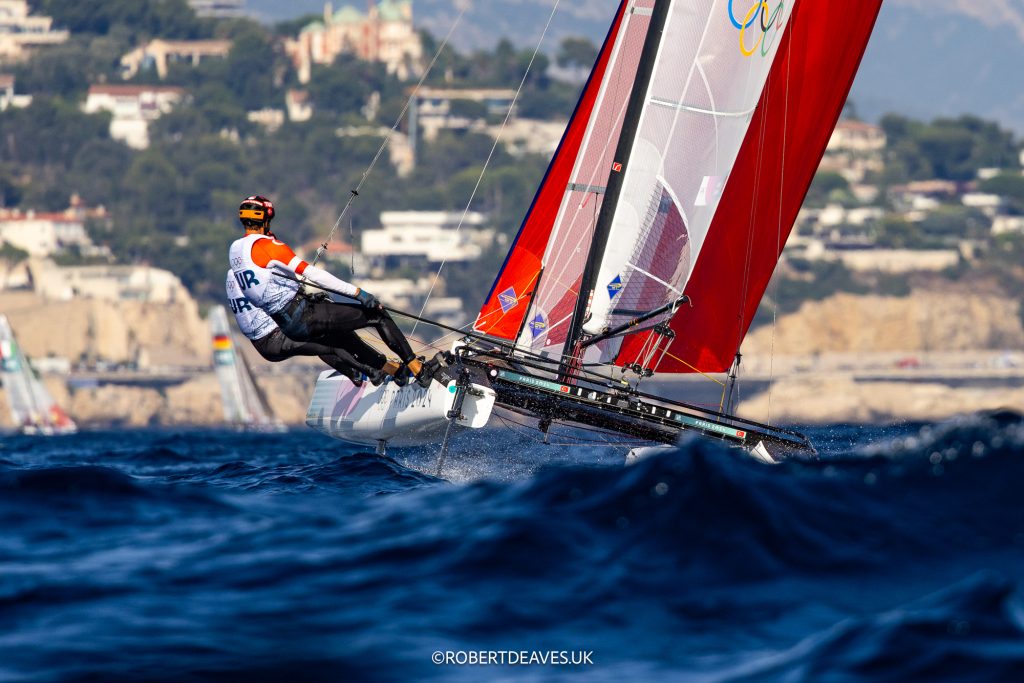
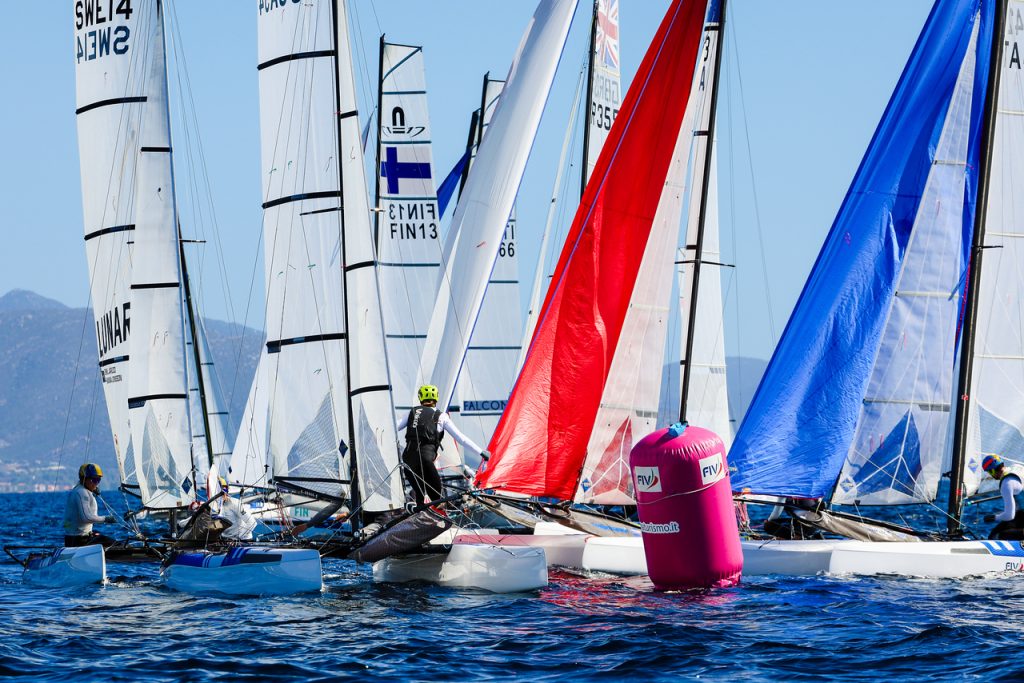
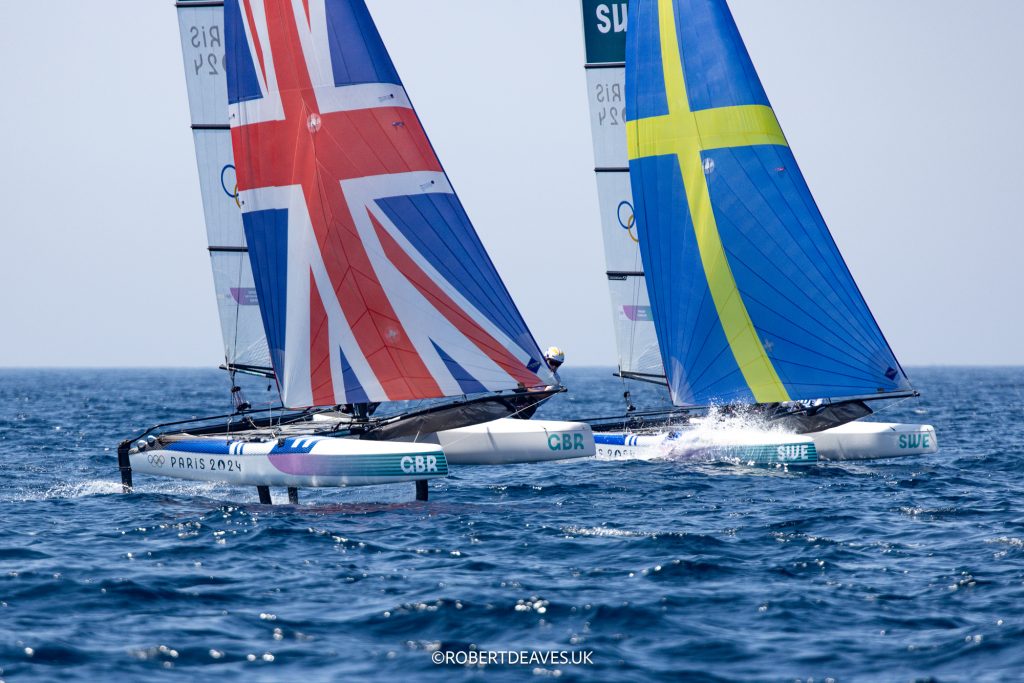
The Nacra 17 is the world’s premier mixed-gender foiling catamaran. Fast, technical, and demanding, it rewards commitment, teamwork, and precision. Whether you’re stepping up from another catamaran or entering the foiling world for the first time, this guide will help you get started.


1. Become a Nacra 17 Class Member

Joining the class is your first step into the Nacra 17 community.

As a class member, you’ll gain access to:

  • Official class news and updates

  • Event calendars and notices

  • Class rules and technical information

  • A global network of sailors, teams, and coaches

👉 Sign up to become a class member

2. Join the Community

The Nacra 17 class has an active and supportive international community. Connecting with other sailors early will help you progress faster.

Facebook Forums

Our Facebook groups are the main hub for:

  • Beginner and setup questions

  • Buying and selling boats and equipment

  • Foiling and tuning advice

  • Connecting with crews, coaches, and events

👉 Join the official Nacra 17 Facebook forums

Social Media

Follow the class on social media for:

  • Event highlights and race footage

  • Class news and announcements

  • Behind-the-scenes insights from the fleet

👉 Follow us on our social channels:

Discord Group

Ask the class manager Ben@porttackracing.com for an invite.

3. Get a Boat

Buying a Second-Hand Nacra 17

Most sailors start with a second-hand boat. It’s a cost-effective way to enter the class and gain experience.

A second-hand Nacra 17:

  • Is more affordable than buying new

  • Is ideal for learning foiling and boat handling

  • Often comes with spare parts and setup knowledge

Where to look:

Getting Started at the Right Level

If you are new to foiling or transitioning from another class, starting with an older or well-used boat is often the best choice. It allows you to focus on:

  • Safe foiling techniques

  • Boat handling and teamwork

  • Understanding setup and control systems

Many teams upgrade equipment gradually as their skills and goals develop.
4. What You Need to Go Sailing

The Nacra 17 is a highly technical foiling boat. To go sailing, you’ll need:

Boat & Platform

  • Nacra 17 hulls and platform

  • Mast and boom

  • Trampoline

Sails

  • Mainsail

  • Jib

  • Spinnaker

Foils & Systems

  • Foiling daggerboards

  • Rudders with elevator systems

  • Control systems for rake, pitch, and foil settings

Personal Equipment

  • Trapeze harnesses (for both sailors)

  • Helmets (strongly recommended)

  • Impact vests / buoyancy aids

Wetsuit and more:

a) 3mm base layer farmer john wetsuit + rash guard

b) add warmer tops for colder conditions (3mm full sleeve top and maybe also a spray top)

c) if it’s hot, add a rash guard to long john wetsuit(1mm)

d) if it’s cold, add a ‘steamer wetsuit’ – 5-6mm full sleeve or drysuit

e) boots, 3mm for typical conditions, good grip. Thicker for cold weather.

f) gloves – the fishermans gloves with good grip and feel, typically with finger ends cut off

If you’re unsure about equipment or setup, ask on the forums — knowledge sharing is a strong part of the class.

5. Tuning Guides & Setup Tutorials

Before heading on the water, we strongly recommend spending time with the official Nacra 17 tuning guide and the class tutorial videos.

These resources will help you:

  • Set up your boat correctly and safely

  • Understand foil, rudder, and control system adjustments

  • Learn baseline settings for different wind conditions

  • Avoid common setup mistakes that slow learning and increase risk

Tuning Guide

The tuning guide provides:

  • Recommended base settings

  • Step-by-step explanations of key systems

  • Clear references for adjustments and terminology

👉 View the Nacra 17 tuning guide

Tutorial Videos

👉 Watch all the Nacra 17 setup tutorial videos

6. Start Training on the Water

Time on the water is essential in the Nacra 17.

Start at your local sailing venue:

  • Focus on safe launching and landing

  • Learn stable takeoffs and touchdowns

  • Practice communication and coordination as a mixed crew

Early training priorities:

  • Boat handling before pure speed

  • Consistent foiling upwind and downwind

  • Recovery techniques and safety awareness

Foiling takes time — progress comes with patience and repetition.

7. Get Racing Experience

Once you’re comfortable foiling, racing is the best way to improve.

Start with:

  • Local or regional regattas

  • Open training regattas

  • Class-supported events welcoming new teams

Racing helps you:

  • Improve starts and tactical awareness

  • Learn to manage pressure and traffic while foiling

  • Benchmark your progress against other teams

The Nacra 17 fleet is competitive, but newcomers are welcomed and supported.

8. You’re Part of the Class

If you’re sailing a Nacra 17, you’re already part of the class.

No matter your ambitions:

  • Olympic pathway or high-level racing

  • National or international competition

  • First season or long-term campaign

You belong here.

See you on the water.